Views: 0 Author: Site Editor Publish Time: 2026-05-01 Origin: Site
Global bans on single-use plastics have completely transformed the modern food and beverage industry. Consumers and regulatory bodies alike now demand highly sustainable packaging alternatives. This massive shift pushes the paper straw market into a period of rapid, unprecedented expansion. However, running a profitable paper straw business requires far more than merely purchasing raw materials and turning on a machine. True success in this sector demands balancing rapid production speeds with strict moisture control. You must also maintain rigorous food-grade compliance while driving continuous unit cost optimization. Without these critical elements, you risk producing inferior goods that fail basic market standards. This comprehensive guide breaks down the exact financial modeling, equipment evaluation criteria, technical workflows, and compliance frameworks you need. Read on to discover how you can navigate technical bottlenecks, configure the right machinery, and launch a highly scalable manufacturing operation today.
Market Reality: The global market is growing (est. 6.86% CAGR), but buyer expectations have shifted toward high-durability, non-soggy straws.
Capital Requirements: Initial setup costs typically range from $140,000 to $500,000+, depending on automation levels and auxiliary equipment.
Technical Bottlenecks: The critical success factors are raw material configuration (gsm ratios) and the efficiency of your drying process.
Compliance is Mandatory: Selling to major F&B brands requires strict adherence to FDA, LFGB, or EU testing standards.
Choosing the right market positioning dictates your entire business model. Moving beyond generic manufacturing helps you capture higher profit margins immediately. You should target specialized sectors to build a resilient client base. For example, producing U-shaped straws for juice boxes serves a massive, high-volume niche. Individually wrapped items for quick-service restaurants ensure hygiene and command premium wholesale pricing. By differentiating your product early, you avoid competing solely on rock-bottom prices.
When planning your facility, you must evaluate tiered investment models. These models dictate your initial setup scale, physical footprint, and required labor force.
Chart: Tiered Investment Models & Production Scale | ||
Investment Tier | Primary Focus & Equipment setup | Operational Characteristics |
|---|---|---|
Entry-Level / SME Setup | Single low-to-mid speed Paper Straw Machine. | Manual material handling. Lower initial capital outlay. Higher per-unit labor costs. |
Mid-Scale Commercial Factory | Multiple integrated lines with automated packing. | Advanced drying systems. Balances capital outlay with highly competitive production speeds. |
High-Volume Automated Plant | Fully integrated systems with automatic splicing. | Robotic material handling. Localized sourcing. Maximizes margins through pure volume. |
Cost allocation requires a strict boundary between capital expenditures and operational expenses. Your capital layout covers heavy machinery purchases and clean-room facility build-outs. Operational expenses include continuous supplies of food-grade kraft paper and eco-friendly glues. They also cover massive electricity loads, HVAC maintenance, and skilled operator salaries. Balancing these expenses ensures long-term profitability without sacrificing final product quality. You must secure reliable cash flow for ongoing operational expenses to keep your lines running smoothly.
Building a resilient production line requires strict adherence to a structured framework. Skipping foundational steps often leads to severe contamination risks or unmanageable scrap rates. Follow these six essential steps to establish a professional manufacturing environment.
Step 1: Facility Selection & Infrastructure Requirements. You need stable 380V/3Phase power to run industrial equipment constantly. The facility must feature climate-controlled environments for raw paper storage. If ambient humidity exceeds 50%, kraft rolls absorb moisture and snap during high-speed unwinding. Dust-free zones are also mandatory for all food-contact manufacturing areas.
Step 2: Securing Raw Material Supply Chains. Sourcing the right food-grade kraft paper defines your product's durability. A standard optimal configuration requires three specific paper layers. You should use an inner layer of 120gsm to block liquid penetration. Add a middle layer of 120gsm for structural rigidity. Finish with an outer layer of 60gsm to facilitate smooth printing and tight wrapping.
Step 3: Equipment Procurement & Layout Design. Map your floor plan carefully from the slitting stage to final packaging. A linear or U-shaped factory layout minimizes unnecessary material handling. It also drastically reduces cross-contamination risks across the factory floor. Keep the drying area close to the forming machines to prevent unglued paper shifts.
Step 4: Trial Runs & Calibration. Never rush your factory into full commercial production. Spend two to three weeks tuning the tension control and glue application systems. Calibrate the servo tracking modules carefully. Proper calibration minimizes scrap rates and prevents thousands of dollars in wasted raw materials.
Step 5: Operator Training. Upskill your factory staff extensively before opening day. They must understand how to navigate complex PLC touchscreens safely. Teach them how to handle multi-blade replacements, which happen frequently during continuous operation. They must also learn to troubleshoot paper jams quickly to maintain high daily uptime.
Step 6: Local & Export Compliance. Acquire all necessary operational permits well before launching. This includes municipal fire safety approvals and local pollution control certificates. Product certifications are also heavily required to clear customs for international export markets. Start the auditing paperwork early to avoid unexpected shipping delays.
Sourcing robust equipment dictates your factory's daily output and final product quality. You must evaluate machines based on speed, mechanical precision, and downstream integration capabilities.
The heart of your daily operation relies on the primary forming unit. When evaluating a Paper Straw Making Machine, prioritize reliable production speeds of 60 to 100 meters per minute. Multi-blade servo tracking is a crucial feature. It allows for synchronized cutting without ever stopping the continuous paper feed. Ensure the equipment can handle 3-to-4 layer paper capacities effortlessly.
Look for strong mechanical reliability indicators during procurement. Stainless steel construction ensures long-term hygiene and makes daily cleaning protocols easier. Automated paper splicing mechanisms reduce machine downtime significantly during heavy roll changes. Furthermore, precise glue distribution systems prevent costly material waste while ensuring absolute structural integrity.
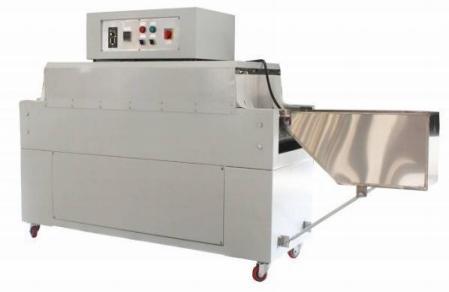
Moisture management determines whether your product survives in liquid environments. You need a highly efficient Paper straw dryer to remove excess water weight. Traditional drying ovens operate at 60℃ for 6 to 8 hours. They offer a lower upfront equipment cost but frequently cause severe production bottlenecks.
Microwave drying technology provides a much faster modern alternative. It delivers rapid drying, uniform internal heating, and simultaneous bacterial sterilization. However, microwave systems require strict operator calibration. If set too high, the rapid moisture escape causes the straws to warp permanently. Regardless of the technology chosen, your ultimate goal remains unchanged. You must achieve a final moisture content below 6% to prevent soggy straw complaints.
Proper retail packaging seals the deal for lucrative B2B wholesale contracts. Integrating a reliable Paper Straw Packing Machine is absolutely essential. It gives you flexible options for individual wrapping using hygienic paper or BOPP film. You can also configure the machinery for high-speed multi-packing or bulk boxing depending on specific client needs.
Specialty markets offer incredible high-margin opportunities for new manufacturers. Incorporating a U shape paper straw bending machine allows you to supply global tetra-pack beverage manufacturers. This specific niche demands massive daily volumes and provides excellent revenue stability. For large-scale operations, pre-processing equipment adds immense value. Adding paper slitting machines and custom flexo printing presses lets you offer fully branded solutions to major restaurant chains.
End-consumer frustration with rapidly degrading straws threatens repeat B2B orders immensely. When a product collapses in a cold drink, brand reputation suffers immediately. Solving the durability challenge requires a deep focus on applied chemistry and mechanical tension.
Choosing the correct adhesive technology solves half of the sogginess problem. You must select specialized water-based, food-safe glues formulated for prolonged liquid exposure. High-quality adhesives bind the three kraft layers tightly enough to eliminate the need for extra surface coatings. By using premium glue, you avoid environmentally problematic PE coatings entirely. You also bypass the exceptionally high material costs associated with PLA alternatives. The glue acts as both the binding agent and the primary structural backbone.
Process control represents the other critical half of the durability solution. Machine tension during the high-speed winding process directly dictates the structural integrity of the final product. If the mechanical tension is too loose, liquids penetrate the paper layers rapidly. If the tension is set too tight, the delicate paper layers may tear during production. Operators must monitor and adjust the winding tension constantly via the PLC panel. Perfect tension control ensures high liquid resistance and guarantees a flawless consumer drinking experience.
Navigating strict regulatory frameworks is non-negotiable for successful market entry. Selling to major global brands requires strict, documented adherence to international food safety protocols.
Different geographical regions demand specific compliance certificates for food contact substances. In North America, you must secure full FDA compliance to enter the United States. You also need distinct CFIA approval to sell your products into Canada. Europe maintains equally strict regulatory requirements for all paper goods. You must pass LFGB standards in Germany and adhere to overarching EU testing frameworks. Without these official documents, your shipping containers will fail customs inspections at the border.
Facility certifications play a massive role in passing corporate purchasing audits. Major global restaurant chains will inspect your factory floors before signing any supply contracts. Implementing ISO 9001 ensures your daily management systems meet accepted global standards. HACCP protocols guarantee that you actively identify and control biological hazards during the manufacturing process.
Table: Essential Quality Control (QC) Checkpoints | ||
QC Phase | Testing Method | Pass/Fail Criteria |
|---|---|---|
Visual Inspection | Monitor unwinding and layer wrapping on the fly. | Zero visible gaps or excess glue seepage allowed. |
Stress & Durability | Submerge samples in 4℃ and 60℃ liquids for 2 hours. | Straw must retain shape and structural integrity without unwinding. |
Sensory Testing | Neutrality test by human panel and chemical sensors. | Zero transfer of paper odor or glue taste to the beverage. |
Moisture Analysis | Probe testing immediately after the drying phase. | Moisture content must register strictly below 6%. |
You must implement these rigorous quality control checkpoints systematically across your entire line. Catching errors early prevents large batches of defective products from reaching your buyers. Visual inspections catch unwinding errors before they multiply. Stress testing verifies actual durability in varied liquid temperatures. Finally, odor and taste neutrality testing ensures the straw never alters the beverage's original flavor profile.
A highly profitable paper straw business hinges on the exact trinity of high-quality raw materials, precise tension machinery, and rigorous compliance. Success requires continuous workflow optimization and strict quality control on the factory floor. Keep your equipment calibrated and your operators well-trained to maintain a strong competitive edge.
Audit your local facility infrastructure: Ensure your building meets the necessary 380V power and climate-control specifications for food-grade paper production.
Request raw material samples immediately: Test different kraft paper gsm ratios and water-based glues to find the perfect durability mix.
Shortlist trusted machinery suppliers: Partner with transparent vendors who provide clear Overall Equipment Effectiveness (OEE) data for their forming lines.
Verify local technical support: Choose machinery manufacturers offering localized installation support and comprehensive, hands-on operator training programs.
A: Industry benchmarks for commercial machines range from 60 to over 100 meters per minute. The exact speed heavily depends on the number of paper layers used and the specific glue type applied during the winding process.
A: A dedicated drying system is mandatory. You must hit the sub-6% moisture threshold rapidly to prevent harmful mold growth. Proper machine drying also maintains structural integrity during prolonged shipping and storage.
A: Yes. By manually changing the central winding mandrel and adjusting the cutting blades, most commercial machines can accommodate various sizes. Inner diameters typically range from 3.8mm for cocktails to 12mm for boba tea.
A: Standard machines produce rigid, straight tubes. U-shape machines act as secondary processing units. They take the finished straight straws and corrugate them, creating the bendable feature specifically required for attachable juice boxes.