Views: 0 Author: Site Editor Publish Time: 2026-05-19 Origin: Site
The global shift away from single-use plastics has created a massive $2.11 billion market estimated for 2024. Capturing this immense growth requires much more than simply buying equipment. You need a robust operational strategy. Paper straw manufacturing is a high-volume, low-margin game. Net profits typically hover between 5% and 15%. Your success strictly depends on minimizing machine downtime. You must also eliminate the universal consumer complaint: the soggy straw.
This guide provides a practical, decision-stage framework. We help you evaluate machinery and navigate strict food-contact compliances. You will learn how to structure a highly profitable production line. We aim to help you scale intelligently without falling for exaggerated performance claims.
Profitability requires scale and efficiency: With tight 5-15% margins, investing in equipment with automated defect rejection and high-speed servos is critical for survival.
Quality is a competitive moat: Conquering the "soggy straw" problem requires precise glue application and strict adherence to FDA 21 CFR or EU (EC) 1935/2004 standards using low-migration inks.
End-to-end integration matters: True growth comes from expanding beyond standard straight straws by integrating a paper straw dryer, specialized bending machines, and automated packing systems.
Niche targeting accelerates ROI: Instead of competing in saturated retail food service, target high-volume ESG-focused buyers like private university campuses or healthcare facilities.
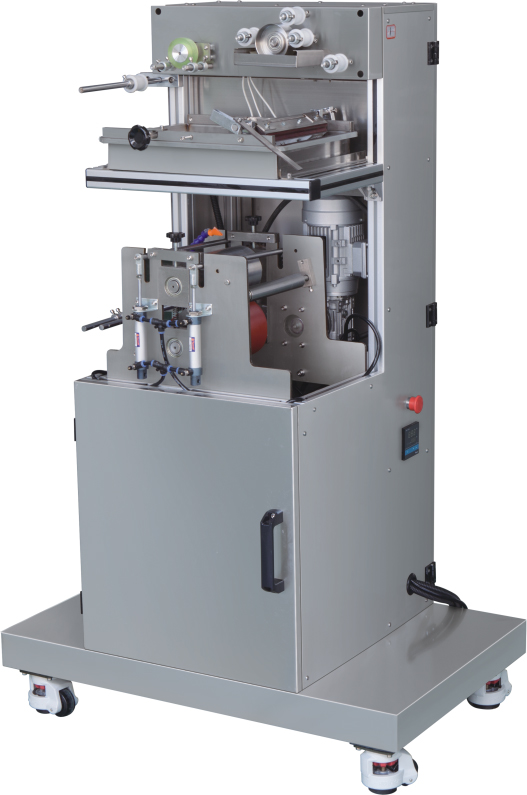
Many new entrants fail early. They underestimate capital expenditures and daily operational costs. They treat paper straws as a high-margin novelty. In reality, paper straws act as a commoditized utility. To survive, you must budget accurately and secure high-volume contracts. A standalone Paper Straw Machine is only one part of the equation.
Baseline setup costs range from $60,000 to $145,000. This variance depends heavily on your chosen automation levels. Your budget must encompass machinery, facility preparation, and initial raw materials. High-quality food-grade kraft paper and compliant eco-adhesives are absolutely essential.
Investment Category | Estimated Cost Range (USD) | Strategic Importance |
|---|---|---|
Primary Manufacturing Machinery | $40,000 - $80,000 | Determines output volume and base product quality. |
Secondary Equipment (Slitting & Packing) | $10,000 - $20,000 | Automates packaging and controls raw material width. |
Initial Raw Materials | $5,000 - $15,000 | Secures food-grade kraft paper and compliant adhesives. |
Facility Prep & Compliance Licensing | $5,000 - $30,000 | Ensures cleanroom standards and meets local health codes. |
You will frequently face questions about polylactic acid (PLA) alternatives. PLA mimics plastic and feels durable. However, PLA requires specialized industrial composting facilities. Because these facilities remain rare, regulatory bodies increasingly treat PLA just like conventional plastic. Paper remains the dominant choice. It ensures universal compliance and true biodegradability.
Avoid the race-to-the-bottom in standard restaurant supply. Thousands of suppliers fight over pennies in this saturated space. Target institutional buyers instead. Look closely at closed-campus universities and vast hospital networks. These organizations face strict ESG mandates. They dictate bulk purchasing. They often require individually wrapped, sterilized products. Serving these niches guarantees reliable recurring revenue.
The quickest way to lose B2B contracts is poor quality control. Delivering straws disintegrating in liquids destroys trust immediately. Machine precision and material selection are inseparable. You cannot fix bad materials by using advanced machines.
You must demonstrate compliance proactively. Ensure all machinery supports strict food-grade manufacturing standards. Require stainless steel (304 or 316 grade) for all contact points. End-products must pass rigorous laboratory tests. In the US, you must meet FDA 21 CFR standards. In Europe, follow Regulation (EC) 1935/2004 closely. Treat these standards as your operational baseline.
Equipment must seamlessly handle high-density, food-grade kraft paper. You must also use low-migration inks for custom branding. Migration refers to ink chemicals transferring into the beverage. Low-migration inks prevent this toxicity risk entirely.
Evaluate machines featuring highly precise gluing units. Glue application makes or breaks your product. Over-gluing causes toxicity concerns and creates aesthetic issues. Under-gluing causes rapid disintegration. Look for targeted adhesive application systems. Advanced technologies, like SPI glue systems, ensure consistent structural integrity. They apply the exact micro-millimeter of adhesive needed. This prevents the dreaded soggy straw while keeping costs predictable.
You need a solid decision framework. Do not choose a Paper Straw Making Machine based purely on superficial specifications. Align your equipment choices directly against your production goals.
We recommend evaluating machines across three distinct capacity tiers. This prevents over-capitalization during your launch phase.
Machine Tier | Max Operating Speed | Best Suited For | Capital Risk Level |
|---|---|---|---|
Single-Head Machines | ~30 meters/min | Low-risk market entry or highly customized short runs. | Low |
Double-Head Machines | ~60 meters/min | Scaling businesses needing a balance of footprint and output. | Medium |
Multi-Head Machines | 90+ meters/min (400+ straws) | Dominating high-volume wholesale and institutional markets. | High |
Once you select a tier, scrutinize the internal engineering. Certain features directly impact your daily yield.
Multi-Cutter Systems: Demand at least a 5-knife cutting setup. This ensures clean cuts. It prevents fraying edges even at maximum operational speeds.
Servo Motor Integration: Servo motors replace outdated mechanical linkages. They provide smoother operation and highly precise length control. They also significantly lower your daily energy consumption.
Automated Splicing & Tension Control: Look for electric lifting devices for paper rolls. Automatic tensioning prevents paper snapping. It reduces raw material waste by dynamically rejecting defects mid-production.
A standalone making machine is insufficient for a mature operation. True scale requires end-to-end automation. You must eliminate manual handling across your entire floor.
Freshly glued paper straws contain residual moisture. Integrate a dedicated Paper straw dryer or an inline microwave drying tunnel. This rapidly cures the eco-friendly glue. This essential step solidifies the straw's rigidity. It directly solves the soggy customer complaint. It also speeds up your overall time-to-market by bypassing slow air-drying methods.
Consider expanding into the lucrative juice box (Tetra Pak) market. This requires specialized capabilities. Invest in a U shape paper straw bending machine. This equipment takes rigid straight straws and applies a precise mechanical crimp. It allows the straw to bend 180 degrees. The crimping process must never break the paper seal. Mastering this technique unlocks massive contracts from global beverage brands.
Packaging often becomes the primary factory bottleneck. A high-speed Paper Straw Packing Machine is absolutely non-negotiable. Evaluate systems capable of diverse wrapping styles. You need single-piece wrapping options using paper or BOPP film. You also need multi-piece box packing capabilities. Finally, prioritize machines offering automated printing directly on the wrapper. Institutional clients frequently demand custom-printed wrappers showcasing their corporate logos.
The true risks of paper straw manufacturing lie in preventative maintenance and unplanned downtime. A fast machine means nothing if it constantly breaks down.
Identify and mitigate these bottlenecks before they cripple your daily output.
Glue Blockages: Adhesive buildup on nozzles represents the number one cause of micro-stops. Shortlist machines featuring easy-access components. Self-cleaning glue baths save countless hours of manual labor.
Paper Jams & Sensor Failures: Dust from paper slitting inevitably accumulates. It blocks optical sensors and disrupts automation sequences. Implement rigorous daily vacuuming protocols.
Blade Degradation: Cutting multiple layers of kraft paper dulls blades rapidly. Dull blades cause frayed edges. Frayed edges lead to rejected batches.
You must enforce a strict 3-to-6-month preventative maintenance schedule. Ensure your Original Equipment Manufacturer (OEM) provides rapid spare part availability. You will need a constant supply of cutting blades and drive belts. Demand accessible human-machine interfaces (HMI). A well-designed HMI allows your operators to execute fast troubleshooting without calling an external engineer.
Growing a paper straw business is fundamentally an exercise in quality control and volume management. Success belongs to operators who master their production environment.
Do not over-index on raw machine speed alone.
Prioritize consistent tension control and highly precise gluing.
Commit to end-to-end automation, spanning from initial drying to final packing.
Target high-volume institutional niches to protect your margins.
As a concrete next step, request a live material-testing demonstration from your shortlisted equipment manufacturers. Verify their glue adhesion and cut quality using your exact paper specifications. Analyze their production efficiency claims closely before making your final investment.
A: Due to the commoditized nature of the product, net profit margins typically range between 5% and 15%. Profitability is achieved through high-volume production, minimizing raw material waste, and running multi-head machines with high uptime.
A: Sogginess is mitigated by a combination of high-density food-grade kraft paper, precise application of water-resistant eco-adhesives, and utilizing a dedicated industrial paper straw dryer to fully cure the product before packaging.
A: A standard machine produces straight, rigid tubes. A U shape paper straw bending machine takes straight straws and applies a precise mechanical crimp, allowing it to bend 180 degrees. This is strictly required for attaching straws to flexible juice boxes and beverage cartons.
A: You must adhere to food contact materials (FCM) regulations. In the US, this means FDA 21 CFR compliance; in Europe, Regulation (EC) 1935/2004. Your facility may also require local manufacturing, emissions, and safety permits.