Views: 0 Author: Site Editor Publish Time: 2026-05-11 Origin: Site
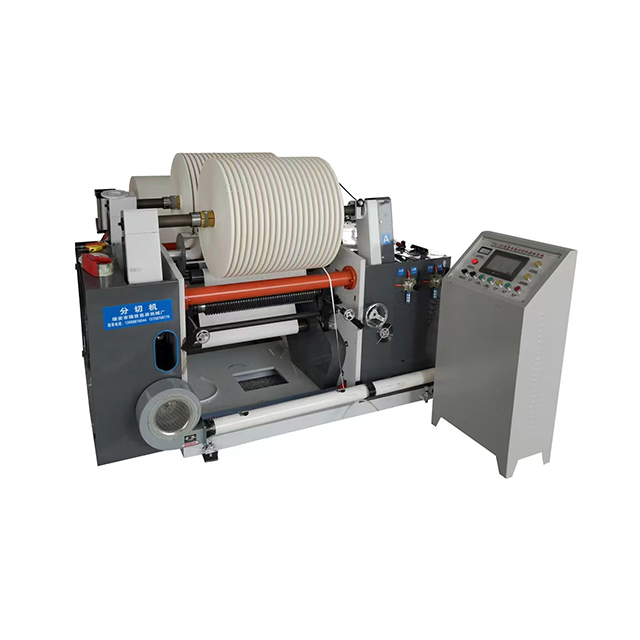
For converting facilities and packaging plants, a Paper Slitter Rewinder is not just a basic cutting tool. It operates as the central nervous system of material processing. It dictates your production speed. It determines overall material yield. It also controls downstream equipment compatibility. Many operations struggle daily. You might face bottlenecks caused by misaligned web tension. Excessive edge waste destroys profit margins rapidly. Incompatible jumbo rolls cause frequent machine downtime. We understand these specific frustrations well. This guide breaks down the essential mechanical realities. You will discover the commercial value behind specific machine configurations. Finally, we outline the exact criteria plant managers must evaluate. You need this knowledge before committing capital expenditure to new converting equipment.
Core Function: Converts oversized jumbo rolls into precise, ready-to-use narrow web rolls via a synchronized process of unwinding, slitting, and rewinding.
Business Impact: Directly influences freight costs, reduces substrate waste, and bridges the sizing gap between paper mills and end-use machinery.
Technology Choice: Selection hinges on matching winding types (center, surface, or center-surface) and blade technology (shear, razor, or score) to the specific material's tensile strength and thickness.
Risk Mitigation: Successful deployment requires mandatory pre-purchase material testing to validate web tension controls and blade durability.
Understanding the basic mechanics requires breaking the machine into three distinct zones. Each zone performs a highly specialized task. They must work together in perfect harmony. A failure in one section immediately ruins the final product.
The unwind station handles raw material intake. It manages the massive weight of the mill-supplied jumbo roll. It also tames the high inertia generated during operation. Operators load heavy rolls using hydraulic lifting arms. The machine then relies on automated braking systems. These brakes apply precise resistance against the unrolling material.
Modern unwind stations utilize advanced edge-guiding systems. These sensors detect microscopic lateral shifts in the web. The system automatically shifts the roll left or right. This feeds the web smoothly. It prevents stretching or wrinkling the substrate before cutting.
This is the heart of the conversion process. The machine cuts the wide web into multiple narrow strips. Manufacturers choose different blade technologies based on material properties. Choosing the wrong blade ruins the edge quality immediately.
Slitting Method | Mechanism | Best Suited For | Drawbacks |
|---|---|---|---|
Shear Slitting | Uses top and bottom rotary blades like scissors. | Heavy-duty paper, cardboard, laminates. | Requires longer setup times for blade positioning. |
Razor Slitting | Uses stationary industrial razor blades. | Very thin films, lightweight non-abrasive papers. | Susceptible to rapid heat buildup and dulling. |
Score (Crush) Slitting | Presses a rotary blade against a hardened anvil cylinder. | Adhesives, non-wovens, rubber. | Creates excessive dust and edge cracking on standard paper. |
Industry experts highly recommend shear slitting for most paper applications. It offers the highest precision. It cleanly shears thick fibers. Razor slitting remains cost-effective for thin films. However, operators must monitor razor heat levels constantly. Score slitting works best for sticky materials. We rarely recommend it for standard paper due to dust generation.
The rewind station receives the newly slit strips. It consolidates them onto individual cardboard or plastic cores. This section dictates the final roll's hardness. It also guarantees structural stability.
Engineers often employ differential shafts here. These shafts use specialized friction rings. They allow individual narrow rolls to rotate at slightly different speeds. This precise torque control accommodates minor thickness variations across the original web. It prevents "telescoping" during transit. Telescoping occurs when inner layers push outward. It ruins the roll completely.
Plant managers do not buy converting machinery merely to cut paper. They buy it to solve specific business problems. In-house processing provides massive strategic advantages. It transforms raw materials into highly profitable assets.
Paper mills produce standard mega-rolls for efficiency. However, specialty manufacturing requires exact tolerances. Your production line cannot use massive master rolls directly. You must size them down first.
A dedicated machine provides the exact feed dimensions required by specialized downstream equipment. For instance, operators can prepare perfectly sized raw material for a Paper Straw Paper Slitter or a Paper Tube Paper Slitter. This guarantees seamless integration. It eliminates feeding jams on your specialized forming machines.
Shipping air destroys profit margins. Excess edge waste also inflates freight costs. Rewinding creates tightly packed rolls. You can stack these pallet-ready rolls efficiently. This maximizes trailer cube utilization. You ship more usable product per truckload.
Outsourcing your converting leaves you blind to yield losses. In-house slitting changes this dynamic entirely. Operators can capture edge trim easily. They can repurpose off-cuts for smaller custom orders. This directly improves your raw material utilization rate. You stop throwing away expensive substrate.
Trim Repurposing: Convert 2-inch edge scrap into packing filler.
Defect Isolation: Cut away localized mill defects without discarding the whole roll.
Custom Widths: Fulfill niche client requests without waiting for mill minimums.
Relying on third-party toll converters introduces massive delays. Your production schedule becomes vulnerable to their backlog. In-house equipment eliminates this dependency. It allows plants to process tons of substrate in minutes. You can meet sudden client demands instantly. This agility wins major contracts.
Choosing the correct winding system is critical. The wrong choice guarantees poor roll profiles. You must match the winding mechanism to your material's physical properties. Consider its thickness, fragility, and extensibility.
Surface Winding Systems:
This mechanism drives the roll via physical contact. Motorized drums spin against the growing roll. It works best for heavy, large-diameter paper rolls. We also recommend it for non-wovens. Web stability is paramount here. It proves highly cost-effective for high-speed, bulk production runs.
Center Winding Systems:
The central shaft holding the core drives the entire roll. It serves well for general-purpose slitting. Many facilities use dual-shaft configurations. These systems utilize differential friction rings. They remain critical for materials displaying slight gauge (thickness) variations across the web.
Center-Surface Winding (Hybrid):
This hybrid approach combines both methods. A central shaft drive works alongside surface pressure rollers. Industry professionals call these rider rollers. It represents the best choice for high-precision or fragile materials. It handles highly extensible films beautifully. The hybrid system provides ultimate control over roll density. You control tension from the core to the outer diameter.
Turret Rewinders:
These machines feature multiple rotating axes. They represent the pinnacle of continuous operation. Operators can unload finished rolls safely. Meanwhile, the machine continues slitting new material on a different axis. This technology drives downtime to near zero. It maximizes overall equipment effectiveness.
Installing heavy machinery introduces new operational challenges. Real-world converting rarely perfectly matches the brochure. You must anticipate common failure points. Plant managers need proactive mitigation strategies.
This remains the most common cause of rejected rolls. Tension control determines success or failure. Fragile materials like tissue will wrinkle or snap. This happens if tension remains too high. Conversely, stiff papers will telescope during winding. This occurs if tension drops too low.
A Programmable Logic Controller (PLC) must manage this dynamic force. PLC-based closed-loop tension control is a mandatory feature. It is never a luxury. Load cells constantly measure web resistance. They send data back to the PLC. The system adjusts braking force in milliseconds.
Slitting paper inherently creates microscopic dust. This dust degrades moving machinery parts rapidly. It also contaminates the final product. Food-grade packaging cannot tolerate paper dust.
High-quality vacuum extraction systems solve this issue. They pull dust directly from the slitting interface. Rigorous preventative maintenance also matters greatly. You must budget for regular lubrication. Blade sharpening schedules require strict adherence. Dull blades tear paper instead of cutting it.
Traditional converting machines demand highly skilled operators. They require extensive debugging knowledge. Manual blade positioning takes considerable experience and patience.
Modern plants actively mitigate this risk. They invest in automatic knife-positioning systems. They utilize automated roll-ejection features. These upgrades reduce reliance on tribal knowledge. They lower the learning curve for new hires. Furthermore, automation drastically reduces workplace injuries related to heavy lifting.
Best Practice: Establish a dedicated blade-sharpening rotation. Keep spare sets ready near the machine.
Common Mistake: Ignoring load cell calibration. Uncalibrated sensors provide false tension readings, ruining materials.
Best Practice: Use static eliminators on the web path. Static electricity causes lightweight papers to cling incorrectly.
Purchasing industrial equipment requires rigorous vetting. A beautiful catalog does not guarantee operational success. You need concrete evidence of performance. Follow these mandatory evaluation steps.
Never purchase machinery based on a spec sheet alone. Reputable Original Equipment Manufacturers (OEMs) welcome material testing. They will require you to ship your specific substrate. You might send Kraft paper, thermal paper, or delicate foil.
The OEM performs live testing on their demonstration units. They return the finished rolls to you. You can inspect the edge quality firsthand. You verify the drive compatibility. This step removes assumptions. It proves the machine handles your exact product flawlessly.
Match the machine's physical footprint to your floor plan. Also, consider your five-year growth projection. Ensure the maximum web width accommodates future mill-supplied rolls.
Narrow web cantilevered machines save massive amounts of space. They allow rapid side-loading of cores. However, they cannot handle heavy mill-sized master rolls. Wide-web floor-mounted units require substantial square footage. They need reinforced concrete foundations. You must balance current space limits against future production volume needs.
A paper slitter rewinder represents a fundamental bridge in manufacturing. It sits directly between raw material acquisition and final product assembly. Its primary job ensures absolute dimensional accuracy. It guarantees structural roll integrity. It maintains uninterrupted material flow.
Base your final purchasing decision strictly on substrate realities. Let your material's thickness dictate the winding mechanism. Let its tensile strength determine the tension controls. Let your target yield guide the automation level.
Your next step requires immediate action. Gather your most problematic material samples from the warehouse floor. Clearly define your required production speeds. Reach out and engage with an experienced OEM for an initial feasibility test.
A: Yes, but it requires customized configurations. Tissue processing demands highly sensitive closed-loop tension controls. You also need extremely sharp circular shear blades to prevent tearing. Robust dust extraction systems are mandatory for tissue applications.
A: A slitter rewinder cuts large master rolls into narrower, smaller continuous rolls. A sheeter cuts continuous web material horizontally into individual, flat rectangular sheets. They serve entirely different downstream packaging needs.
A: Beyond hitting "start," an operator manages the entire process. They safely load the jumbo roll. They set exact blade positions. They program web tension parameters via the PLC. They continuously monitor edge-guide accuracy and unload the finished rolls.
A: Raw paper rolls often have microscopic thickness inconsistencies across their width. A differential shaft uses friction rings. These allow individual finished rolls to slip slightly at different speeds. This ensures all rolls wind tightly regardless of web thickness variations.